
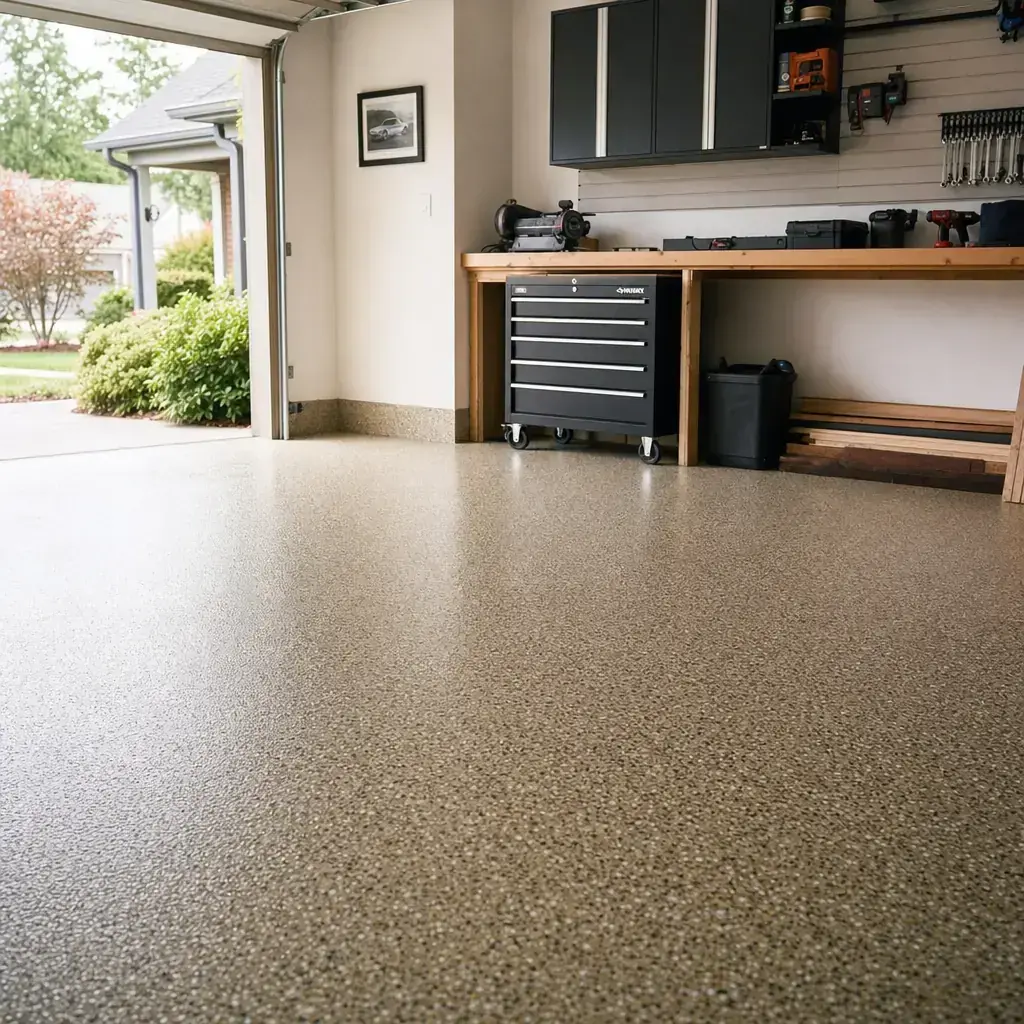
Garage Floor Epoxy
Full flake broadcast or solid color over a diamond-ground slab. Hot-tire resistant once cured, and drivable by the third day.
Read more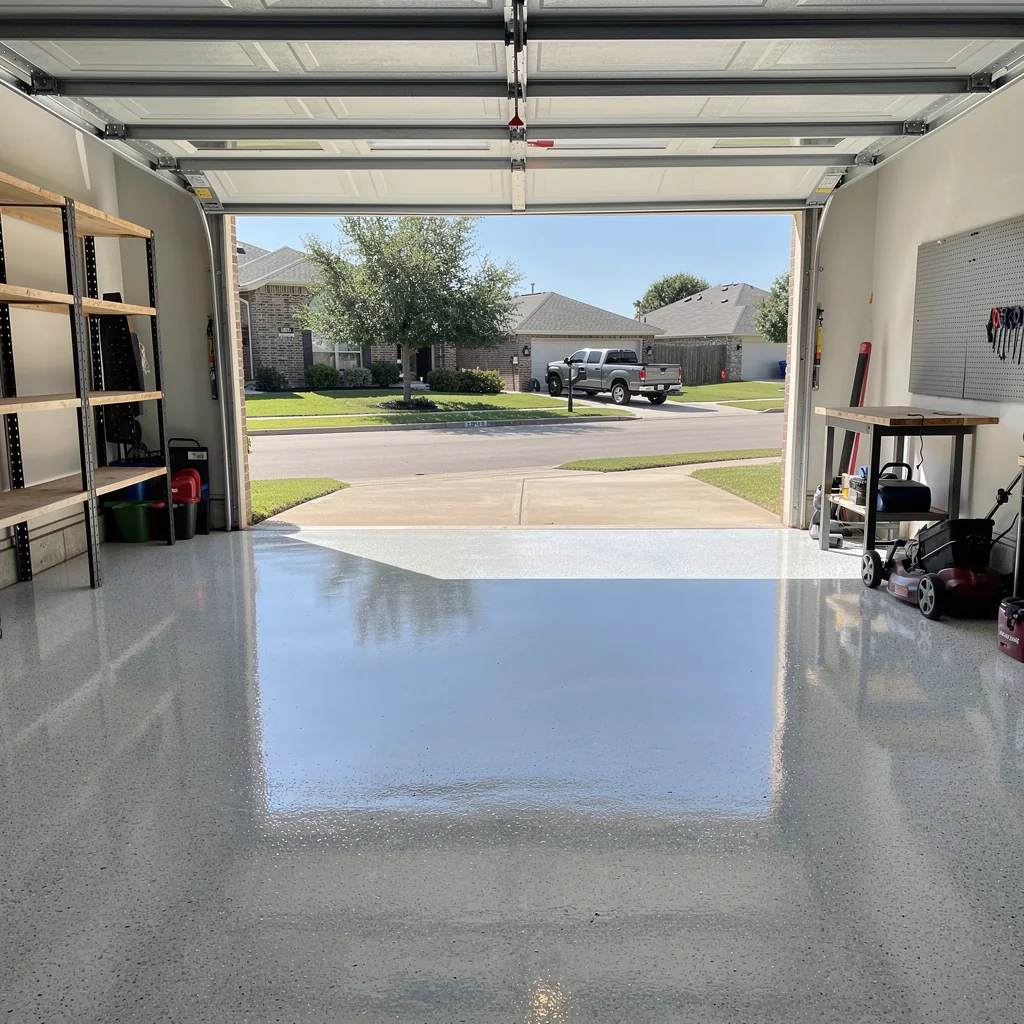
Garage floors, commercial slabs, polishing, and concrete repair across Atascocita and the Lake Houston area. We grind first, read the slab for moisture, and put the number in writing before anything gets mixed.
Most garage floors here land around $5 to $8 per square foot installed. What moves the number is prep, not product. A slab with stepped cracks and spalling takes far more grinding and filling than a sound one, so we measure and test before quoting.
Six things, all of them on concrete that is already there. Garage floors are most of the work. The rest runs from warehouse slabs off Beltway 8 to cracked patios out in Atascocita Forest.
Full flake broadcast or solid color over a diamond-ground slab. Hot-tire resistant once cured, and drivable by the third day.
Read more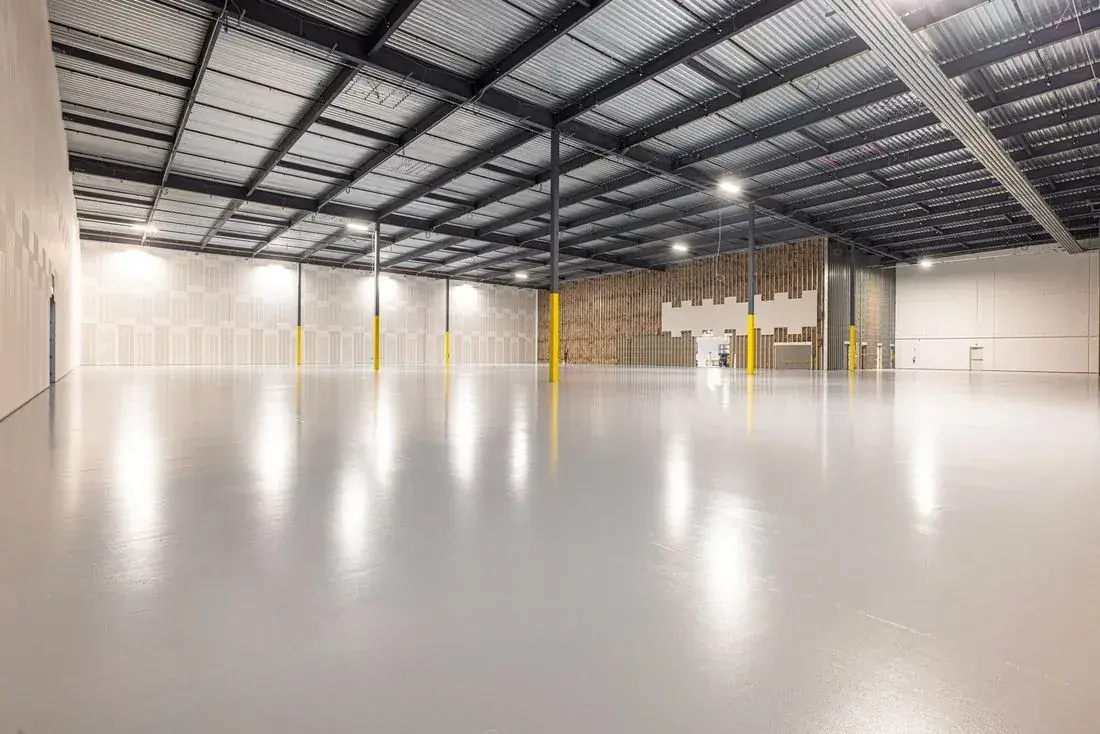
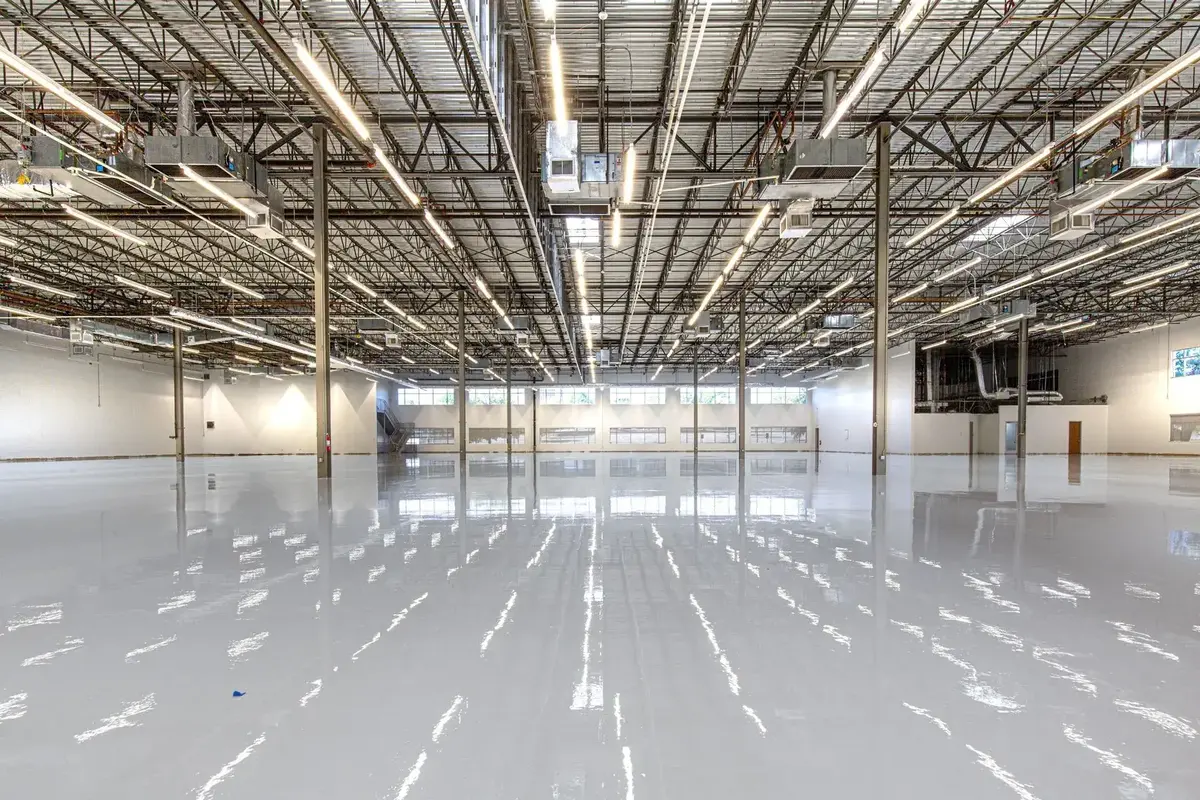
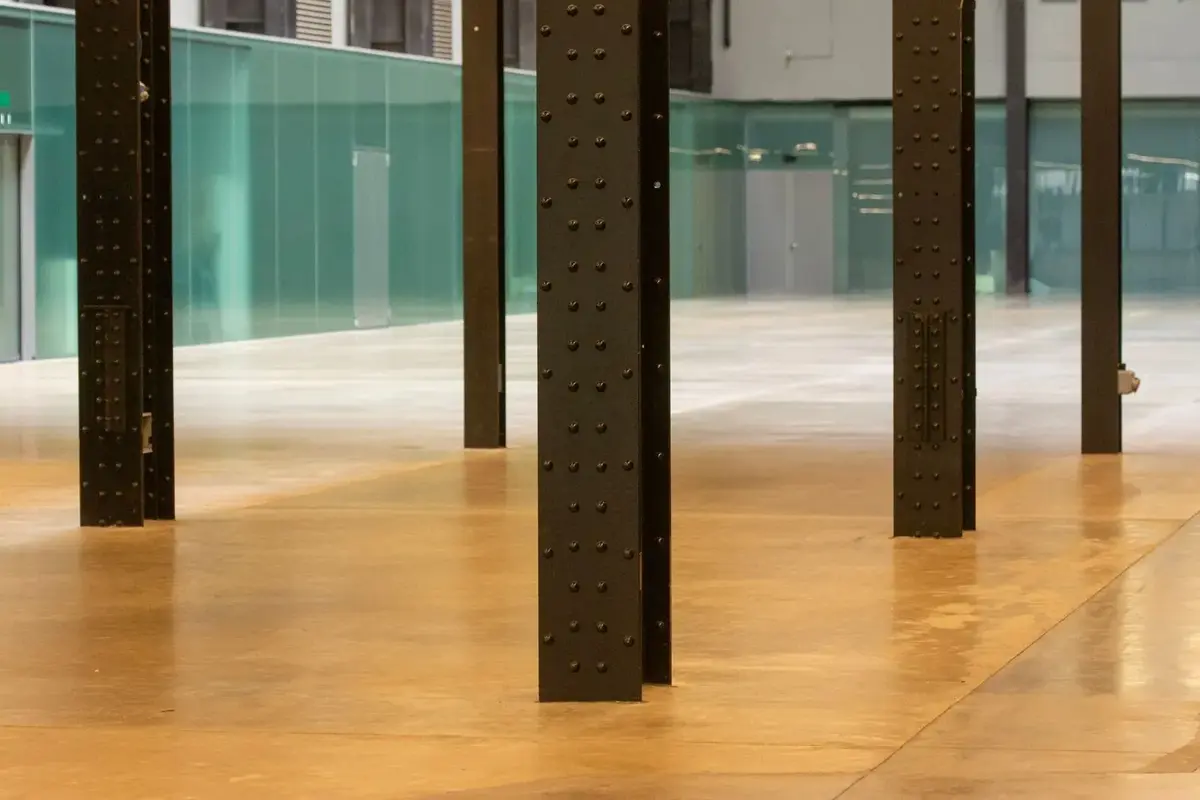
Warehouse, shop, and back-of-house slabs. Thicker build, chemical resistance where needed, joint detailing that survives forklifts.
Read more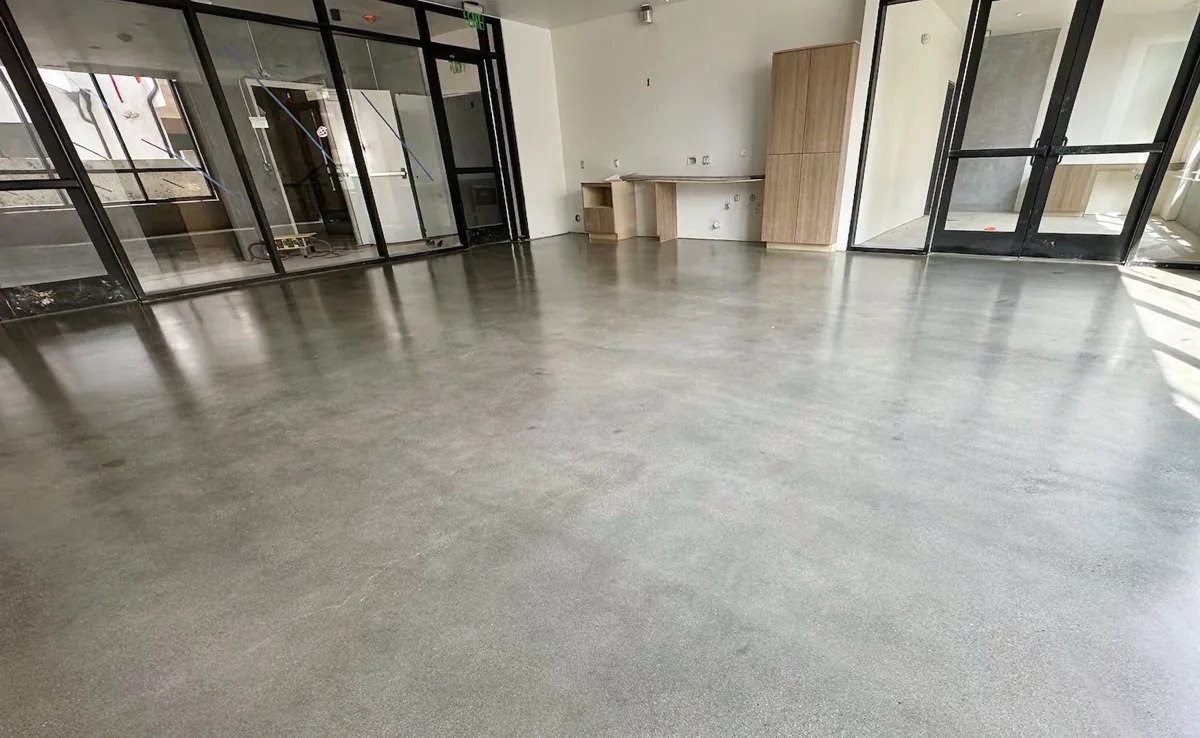
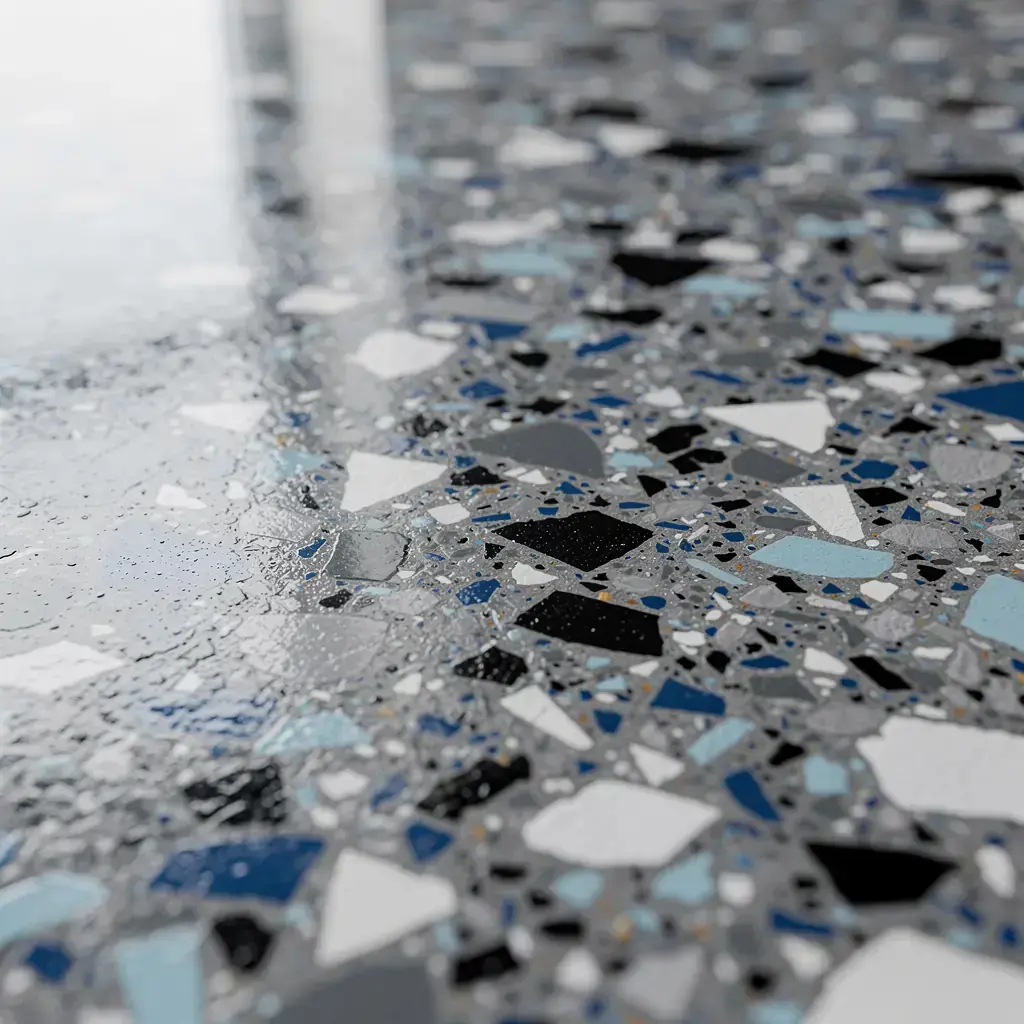
Refinement of the slab itself, not a coating. Grit by grit to the gloss you want. Nothing on top to peel.
Read more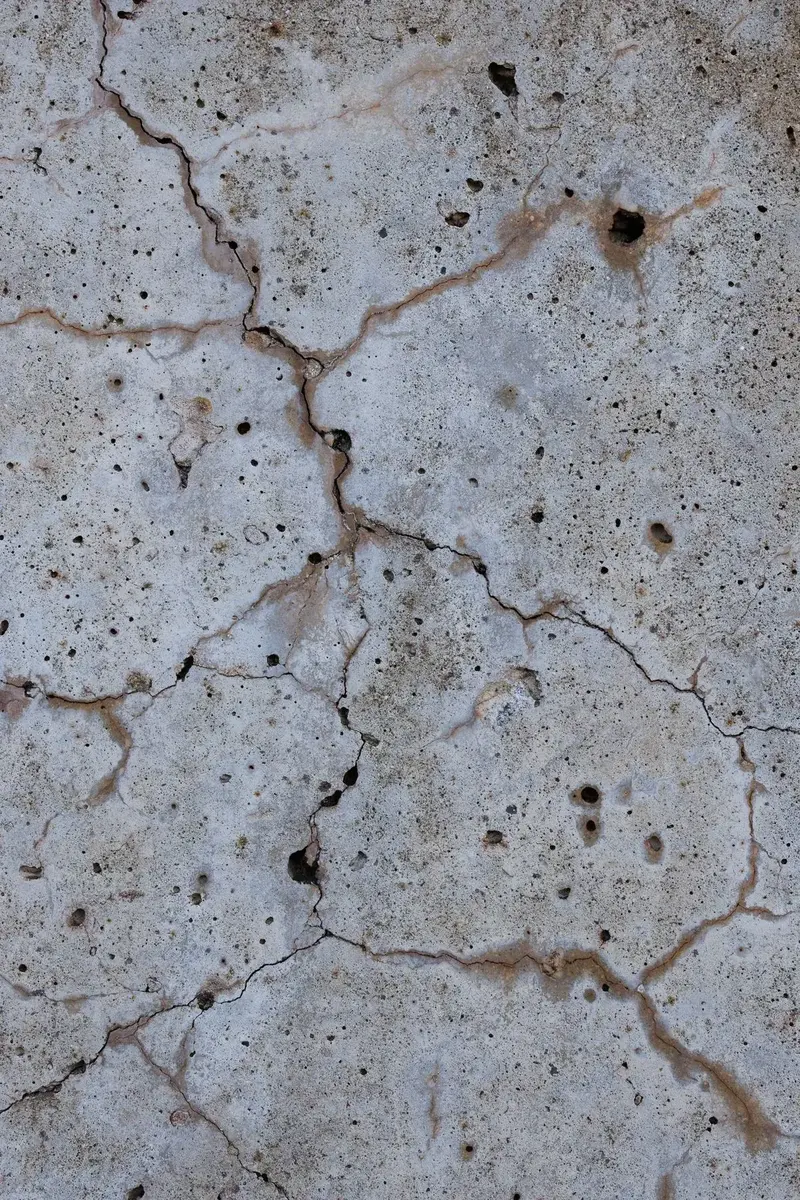
Cracks, spalling, and lipped joints left by slab movement. We route and fill, then resurface so the patch disappears.
Read more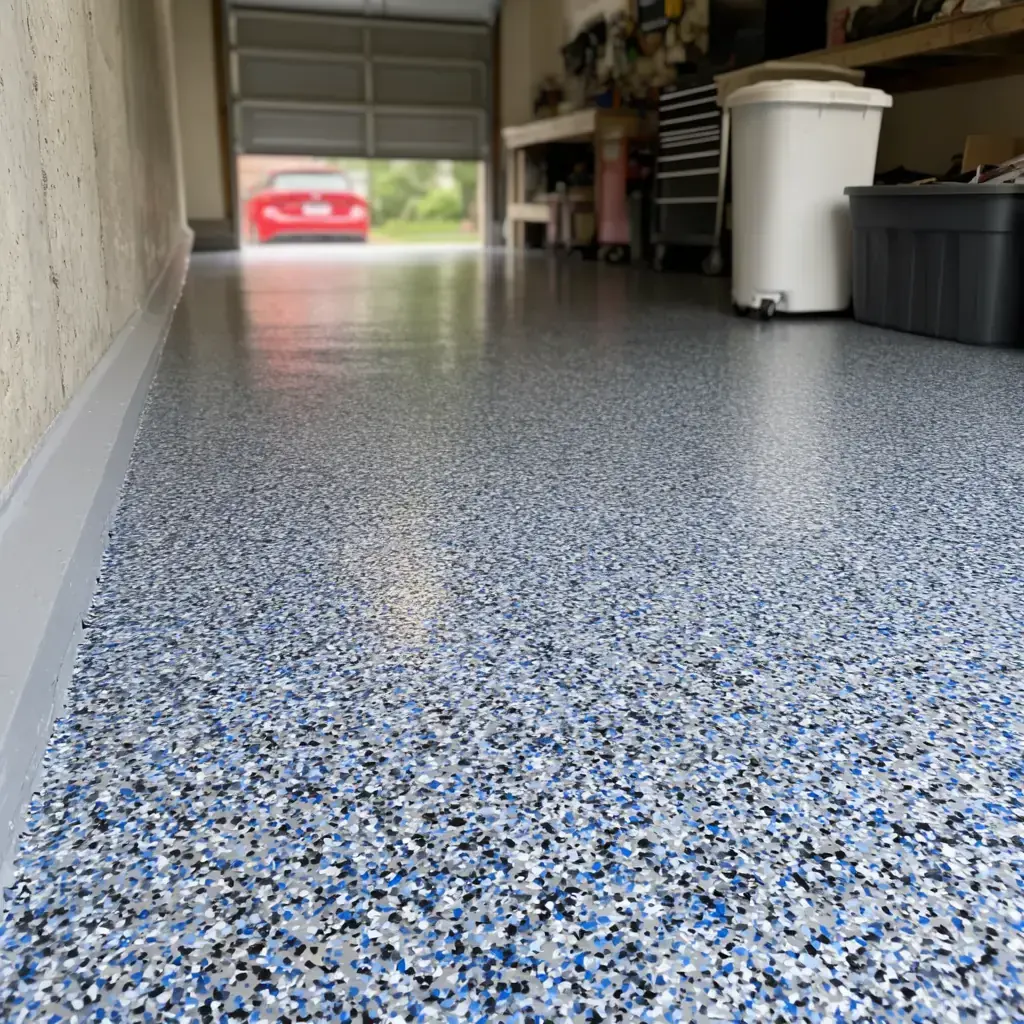
Cures fast and holds color in sun, so it suits patios and driveways as well as garages. Often back same day.
Read more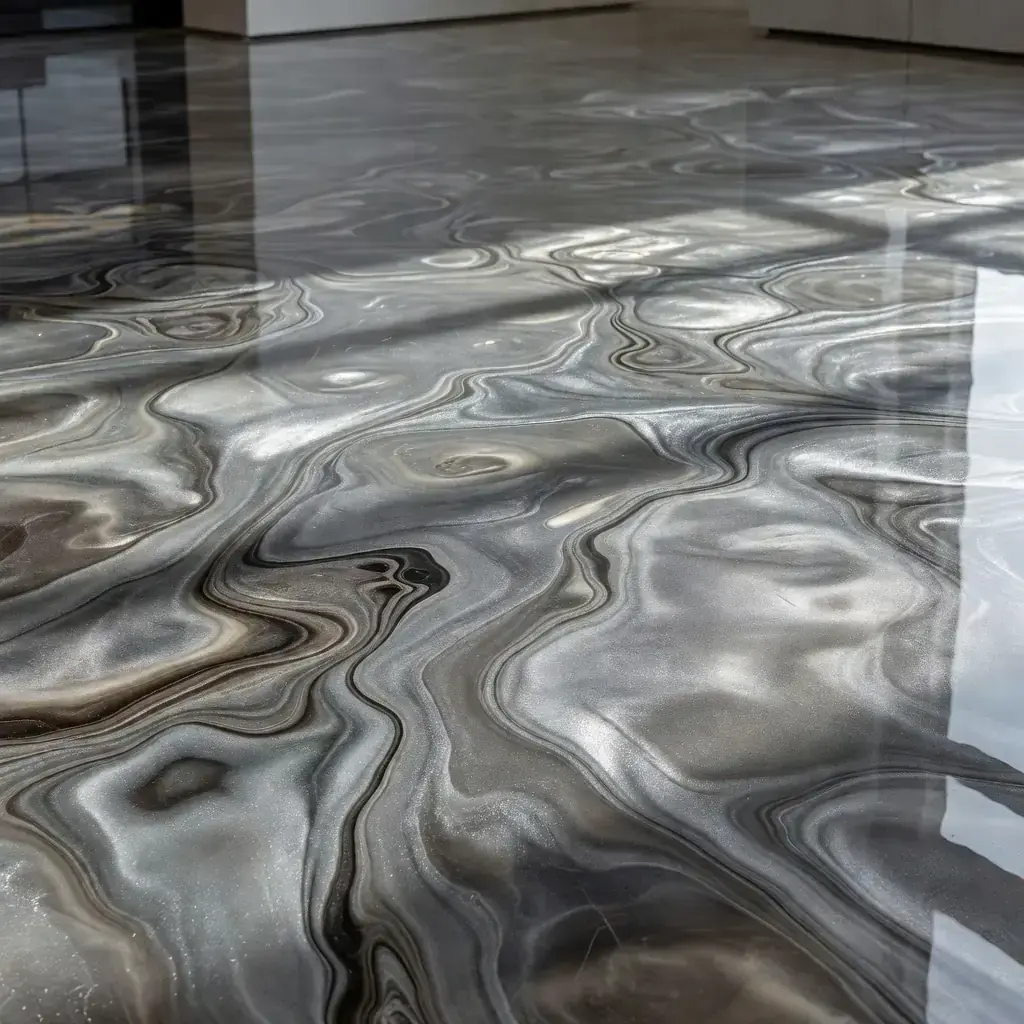
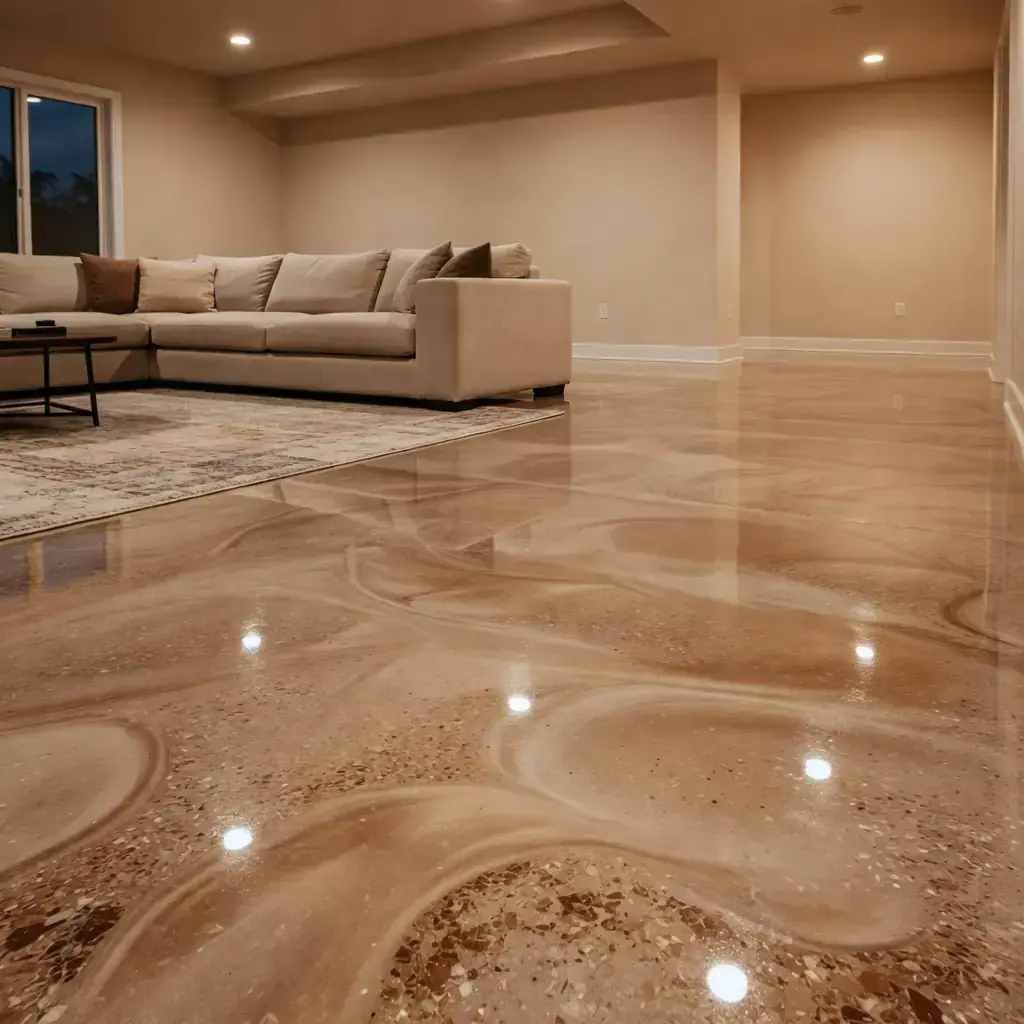
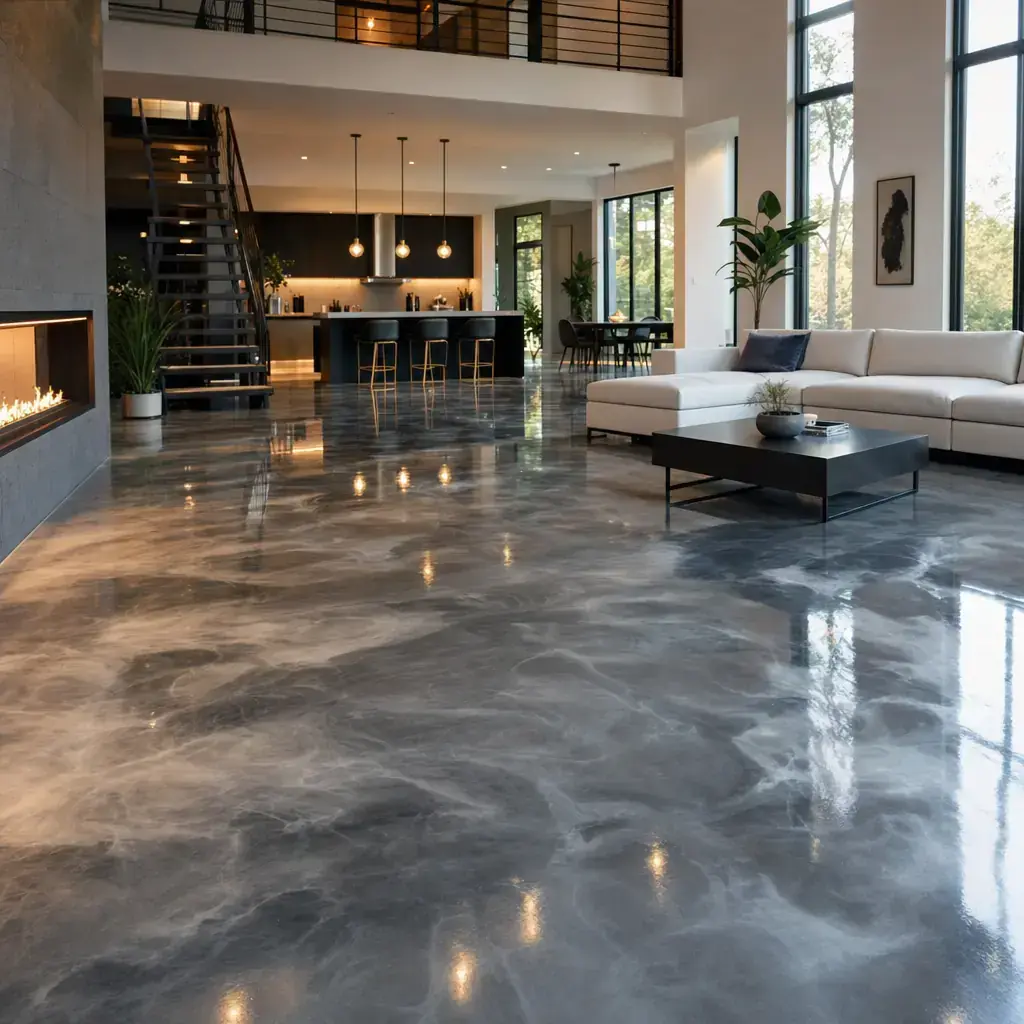
Hand-poured pigment moving under a clear topcoat, so no two floors match. Best in entries and showrooms.
Read morePrep decides whether a coating lasts. This is what we check before quoting.
One side higher than the other means the ground moved. Fill it flat without treating the joint and it cracks again.
Flaked patches and small craters mean the surface paste has failed. A coating over it bonds to something already letting go.
Old paint or a box-store kit lifting in tire-shaped patches. Warm rubber pulls it off a slab that was never ground.
Moisture moving up through the slab. We tape-test first, because a coating over a wet slab blisters from underneath.
Wipe the floor, get chalk. A weak, dusting surface has to come off before anything goes down.
Water sitting instead of soaking in means something is already on the slab. It comes off mechanically, not coated over.
Epoxy and polyaspartic cure by chemical reaction, and both care how close the air is to condensing on the slab.
Clay. Four soil series sit under Atascocita, and two of them are the problem: Vamont and Atasco, with maximum linear extensibility of 12.8 and 10.0 percent. That is how much the ground swells taking on water and shrinks giving it back. Slabs ride on that. The movement shows up as stepped cracks, lipped control joints, and doors that stop closing right. Roughly 63 percent of homes here were built in 2000 or later, so there are plenty of slabs young enough to look sound and old enough to have moved at least once. That is why we grind, read moisture, and settle the joints before any coating goes down.
Four ways to finish concrete and what each is good at. No prices here, the slab decides those.
| System | Finish | Sun | Back in service | Best for |
|---|---|---|---|---|
| Flake epoxy | Textured, chip-filled | Ambers indoors over years | 2 to 3 days | Garages, utility rooms |
| Solid epoxy | Smooth, high build | Ambers in daylight | 2 to 3 days | Warehouses, shops |
| Polyaspartic | Smooth, high gloss | Holds color | Often same day | Patios, driveways, garages |
| Polished concrete | Honed, no coating | Not applicable | 1 to 2 days | Retail, offices, showrooms |
Because almost every coating failure is a bond failure, not a product failure. A slab that has been acid-etched instead of ground keeps a smooth, closed surface and some leftover residue, and the coating sits on top of that rather than keying into it. Then warm tires pull it up in patches. Moisture is the other half. Water moving up through a slab has to go somewhere, and if there is a film over the top it collects underneath and lifts it. So we diamond-grind to an open profile, tape-test for moisture before we quote, and treat control joints as joints instead of smearing filler across them and hoping.
Grinding opens the slab so the coating keys in. Acid leaves residue and an uneven bite.
A tape test before quoting. A wet slab blisters a coating from below.
Joints get detailed, not filled flat and left to crack back through.
Dust to a vacuum, wash water stays on site. Nothing reaches a storm drain.
Square footage, slab condition, moisture, and a look at the joints and any old coating. The quote comes from that.
Diamond grinding to an open profile, then routing and filling cracks. Dust to a vacuum, wash water contained on site.
Base coat, flake or pigment if the system uses it, then topcoat. We watch slab temperature against dew point throughout.
Foot traffic usually next day, vehicles once the topcoat hardens. You get the real window for the system used, not a generic one.
Atascocita, Humble, Kingwood, Crosby, Huffman, and out to the Sheldon and Channelview side of Harris County. Just outside? Call and ask.